



PDE4
PDE4 (phosphodiesterase 4) is a cAMP-specific phosphodiesterase family that terminates intracellular cAMP signaling through hydrolysis of cyclic adenosine monophosphate, thereby regulating multiple inflammatory and immune responses[1][2]. PDE4-mediated control of cAMP signaling influences the activity of immune and resident tissue cells, including T lymphocytes, macrophages, monocytes, neutrophils, and epithelial cells, placing this enzyme family at the center of inflammatory signaling networks[1][3]. Mechanistically, inhibition of PDE4 elevates intracellular cAMP levels and suppresses the production and release of pro-inflammatory mediators, which has established PDE4 as a therapeutic target in chronic inflammatory diseases and experimental models of airway and immune dysfunction[1][3][4]. Disease relevance is supported by the clinical development and approval of PDE4 inhibitors for conditions such as chronic obstructive pulmonary disease, psoriatic arthritis, and atopic dermatitis, where modulation of inflammatory pathways contributes to therapeutic benefit[3][4]. Compared with related isoforms, the PDE4 family comprises four gene subfamilies, PDE4A, PDE4B, PDE4C, and PDE4D, with PDE4A, PDE4B, and PDE4D highly represented in immune cells, whereas PDE4C expression is generally limited in these cellular contexts[1]. Importantly, PDE4B has been associated with anti-inflammatory pharmacology, whereas PDE4D has been linked to nausea and emesis observed with nonselective PDE4 inhibition, motivating the development of subtype-selective inhibitors[3][5]. For experimental applications, inhibitors such as roflumilast, apremilast, and crisaborole are widely used to investigate cAMP-dependent regulation of inflammation and to evaluate isoform-selective pharmacological strategies[3][4].
References:
- [1]. Spina D. PDE4 inhibitors: current status. Br J Pharmacol. 2008 Oct;155(3):308-15. doi: 10.1038/bjp.2008.307. Epub 2008 Jul 28. PMID: 18660825; PMCID: PMC2567892. et al. PDE4 inhibitors: current status. Br J Pharmacol. 2008 Oct;155(3):308-15. [Content Brief]
- [2]. Jin J, et al. PDE4 Inhibitors: Profiling Hits through the Multitude of Structural Classes. Int J Mol Sci. 2023 Jul 15;24(14):11518. [Content Brief]
- [3]. Fan T, et al. PDE4 inhibitors: potential protective effects in inflammation and vascular diseases. Front Pharmacol. 2024 Jun 10;15:1407871. [Content Brief]
- [4]. Smith VB, et al. Selective phosphodiesterase 4 inhibitors in the treatment of allergy and inflammation. Curr Opin Investig Drugs. 2005 Nov;6(11):1136-41. [Content Brief]
- [5]. Blauvelt A, et al. Next Generation PDE4 Inhibitors that Selectively Target PDE4B/D Subtypes: A Narrative Review. Dermatol Ther (Heidelb). 2023 Dec;13(12):3031-3042. [Content Brief]
-
PDE4 Related Products (198)
Related Products (198)

-
IBMX
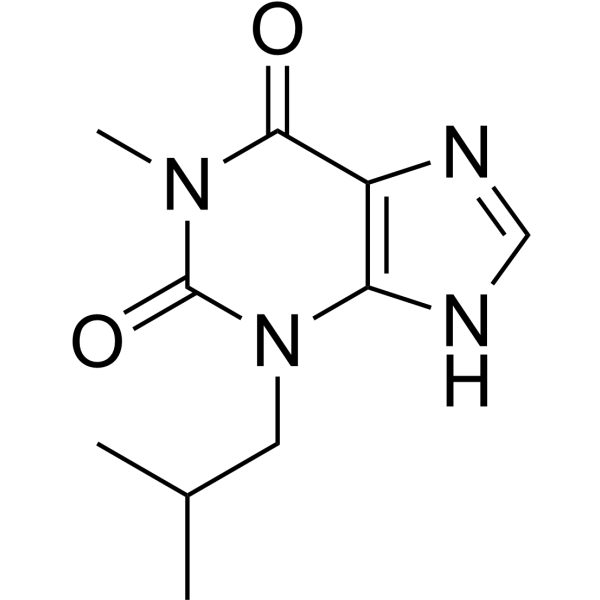 0 ImagesSynonyms: 3-Isobutyl-1-methylxanthine; IsobutylmethylxanthineIBMX is a broad-spectrum phosphodiesterase (PDE) inhibitor, with IC50s of 6.5, 26.3 and 31.7 μM for PDE3, PDE4 and PDE5, respectively.
-
Rolipram
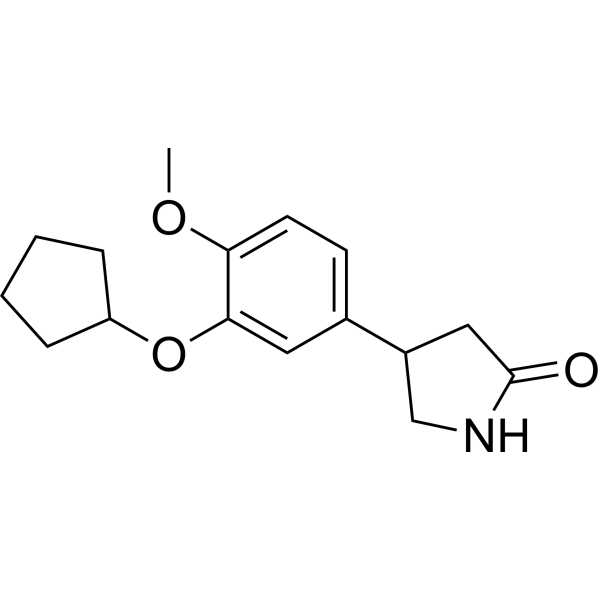 0 ImagesSynonyms: (R,S)-Rolipram; (±)-Rolipram; ZK 62711Rolipram is a PDE4 inhibitor, with blood-brain barrier permeability, that reverses β-amyloid-induced learning and memory impairment in rats. Rolipram elevates intracellular cAMP and clevels and regulates the cAMP/CREB signaling pathway, thereby alleviating neuroinflammation and apoptotic responses. Rolipram promotes neuronal differentiation of human bone marrow mesenchymal stem cells and inhibits Methamphetamine- and morphine-induced hyperlocomotion in mice. Rolipram also reduces the viability of glioblastoma stem-like cells and enhances Bevacizumab (HY-P9906)-induced cell death. Rolipram inhibits the expression of proinflammatory cytokines and enhances central noradrenergic transmission. Rolipram is mainly used in studies related to various central nervous system diseases including Alzheimer's disease, major depressive disorder, glioblastoma multiforme, and multiple sclerosis.
-
Roflumilast
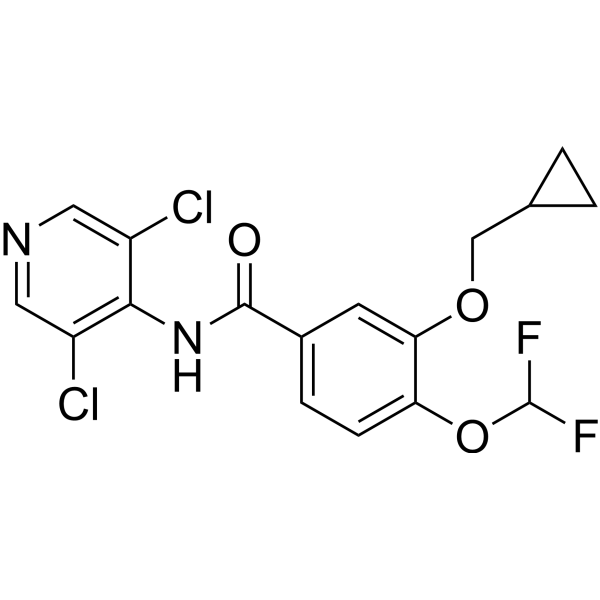 0 ImagesSynonyms: APTA-2217; BYK 20869; B9302-107
-
Ro 20-1724
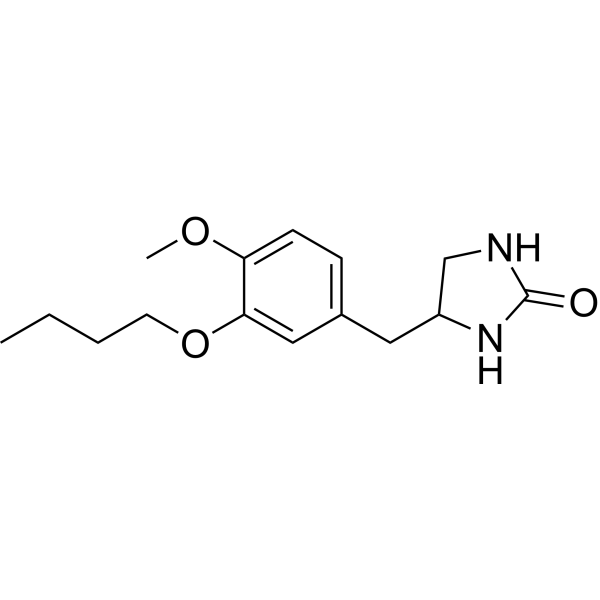 0 ImagesSynonyms: Ro 20-174Ro 20-1724 (Ro 20-174) is a potent inhibitor of cAMP-specific phosphodiesterase (PDE4/PDE IV) with a Ki of 1930 nM. Neuroprotective effect.
-
Avanafil
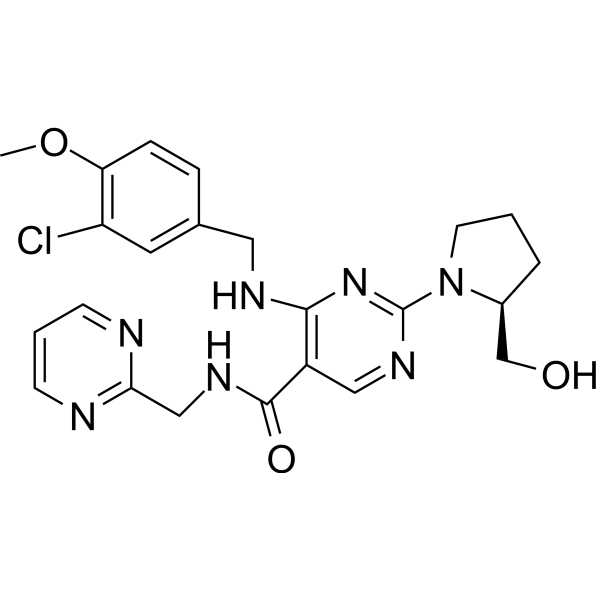 0 ImagesSynonyms: TA1790Avanafil (TA-1790) is a potent and selective phosphodiesterase-5 (PDE-5) inhibitor with IC50 values of 5.2 nM, 630 nM, 5700 nM, 6200 nM, 12000 nM, 27000 nM, 51000 nM and 53000 nM for PDE-5, PDE-6, PDE-4, PDE-10, PDE-8, PDE-7, PDE-2 and PDE-1, respectively. Avanafil activates NO/cGMP/PKG signaling-pathway to decrease loss in BMD, bone atrophy, and oxidative stress. Avanafil inhibits cyclic guanosine monophosphate (cGMP) hydrolysis and thus increases cGMP levels. Avanafil can be used for the research of erectile dysfunction and osteoporosis.
-
Aminophylline
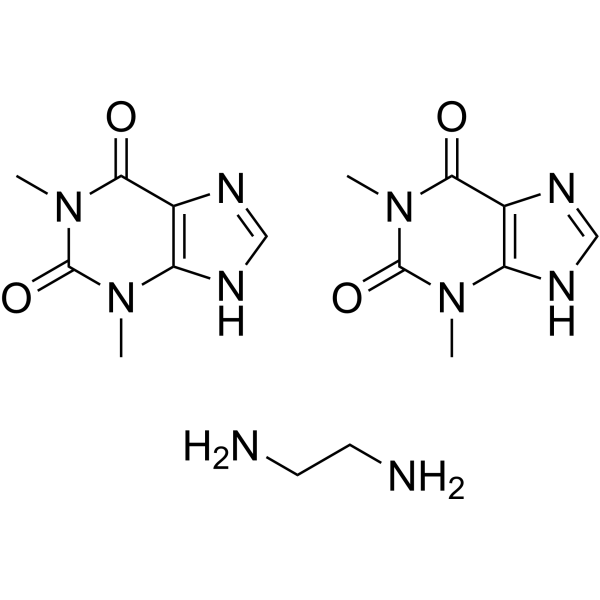 0 ImagesAminophylline is a competitive phosphodiesterase 3/4 (PDE3/4) inhibitor. Aminophylline also acts as an adenosine receptor antagonist. Aminophylline elevates intracellular cAMP levels via competitive inhibition of PDE3 and PDE4, antagonizes adenosine A1 receptor (ADORA1), regulates intracellular calcium signaling and synaptic vesicle cycling, upregulates the PPAR signaling pathway, and downregulates glutamatergic synaptic pathways simultaneously. Aminophylline can be used in research related to major depressive disorder, epilepsy, asthma, and chronic obstructive pulmonary disease (COPD).
-
Apremilast
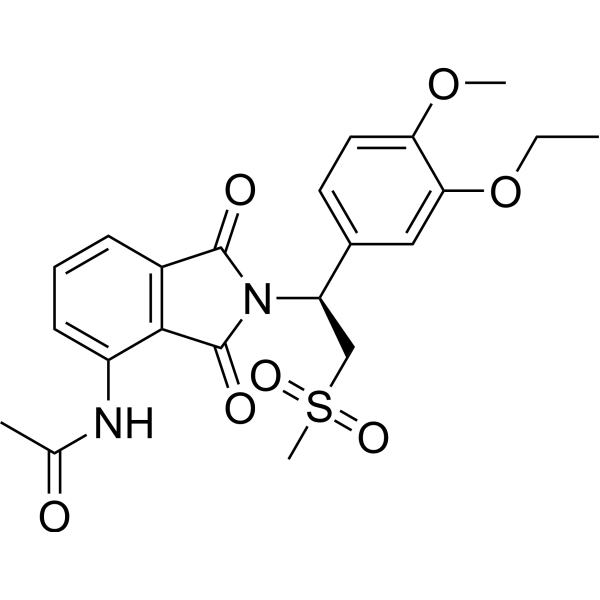 0 ImagesSynonyms: CC-10004Apremilast (CC-10004) is an orally available inhibitor of type-4 cyclic nucleotide phosphodiesterase (PDE-4) with an IC50 of 74 nM. Apremilast inhibits TNF-α release by lipopolysaccharide (LPS) with an IC50 of 104 nM.
-
Crisaborole
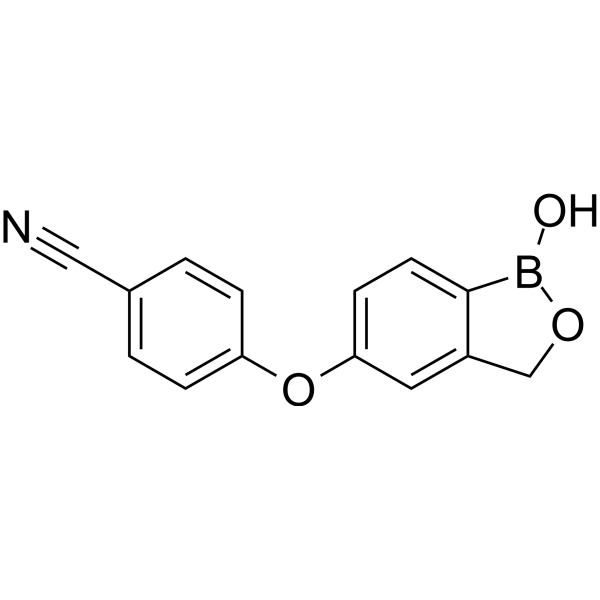 0 ImagesSynonyms: AN-2728; PF-06930164
-
Zatolmilast
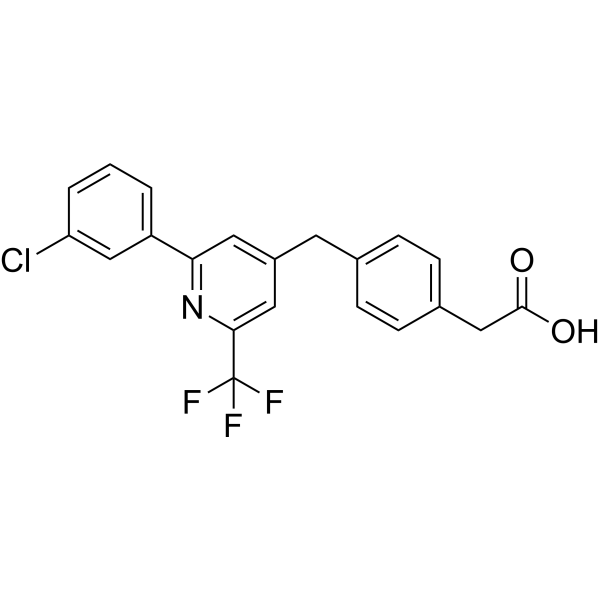 0 ImagesSynonyms: BPN14770Zatolmilast (BPN14770) is a selective phosphodiesterase 4D (PDE4D) allosteric inhibitor with IC50s of 7.8 nM and 7.4 nM for PDE4D7 and PDE4D3, respectively.
-
Butein
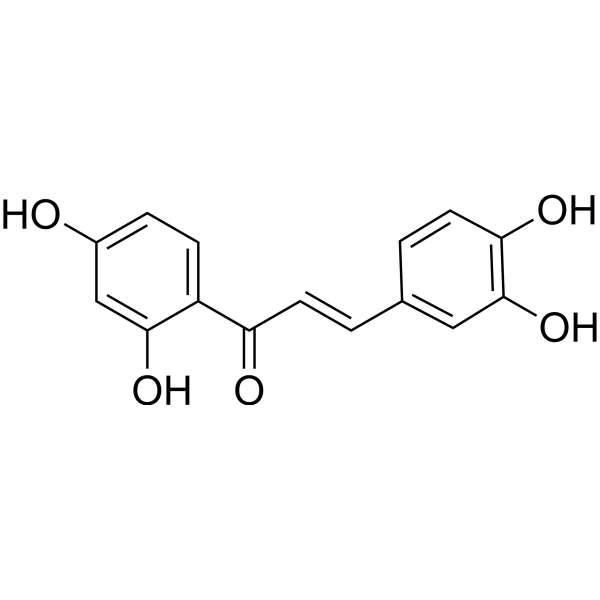 0 ImagesButein is a cAMP-specific PDE inhibitor with an IC50 of 10.4 μM for PDE4. Butein is a specific protein tyrosine kinase inhibitor with IC50s of 16 and 65 μM for EGFR and p60c-src in HepG2 cells. Butein sensitizes HeLa cells to Cisplatin through AKT and ERK/p38 MAPK pathways by targeting FoxO3a. Butein is a SIRT1 activator (STAC).
-
Ensifentrine
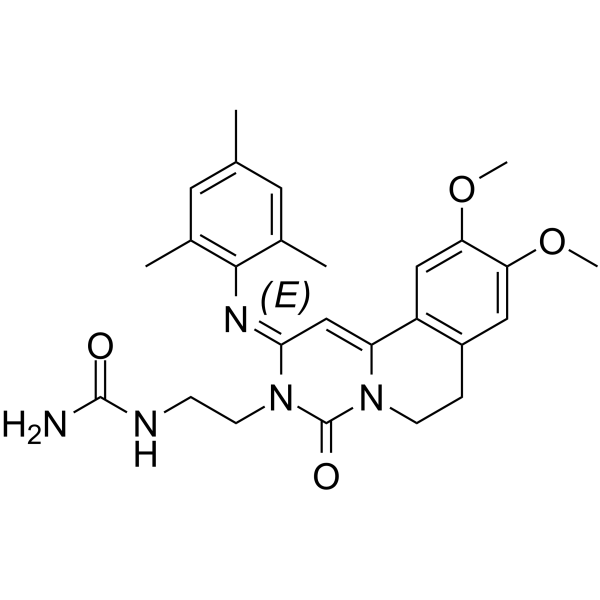 0 ImagesSynonyms: RPL-554Ensifentrine (RPL-554) is an inhaled dual inhibitor of PDE3 and PDE4 with IC50s of 0.4 nM and 1479 nM, respectively. Ensifentrine blocks PDE3 and PDE4 enzymes, thereby increasing the levels of cyclic adenosine monophosphate (cAMP) and cyclic guanosine monophosphate (cGMP) in lung cells, dilating the bronchi, and inhibiting the activation and migration of inflammatory cells. Ensifentrine can be used in the research of chronic obstructive pulmonary disease (COPD).
-
Vardenafil
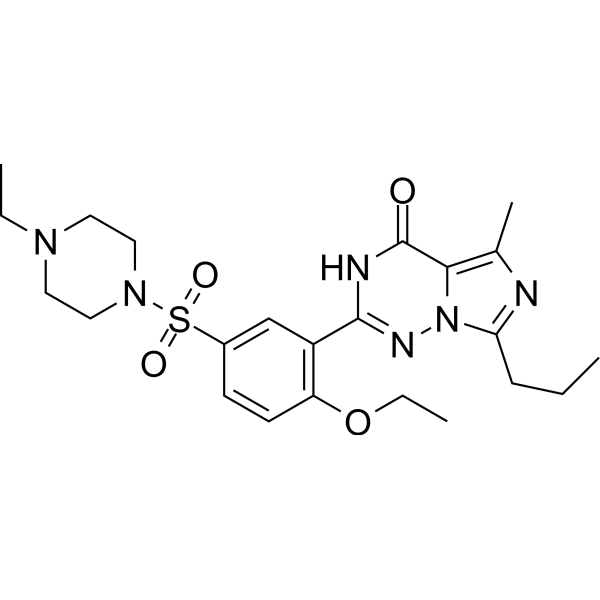 0 ImagesVardenafil is a selective and orally active inhibitor of phosphodiesterase-5 (PDE5), with an IC50 of 0.7 nM. Vardenafil shows inhibitory towards PDE1, PDE6 with IC50s of 180 nM, and 11 nM, while IC50s are >1000 nM for PDE3 and PDE4. Vardenafil competitively inhibits cyclic guanosine monophosphate (cGMP) hydrolysis and thus increases cGMP levels. Vardenafil can be used for the research of erectile dysfunction, hepatitis, diabetes[1]-[6].
-
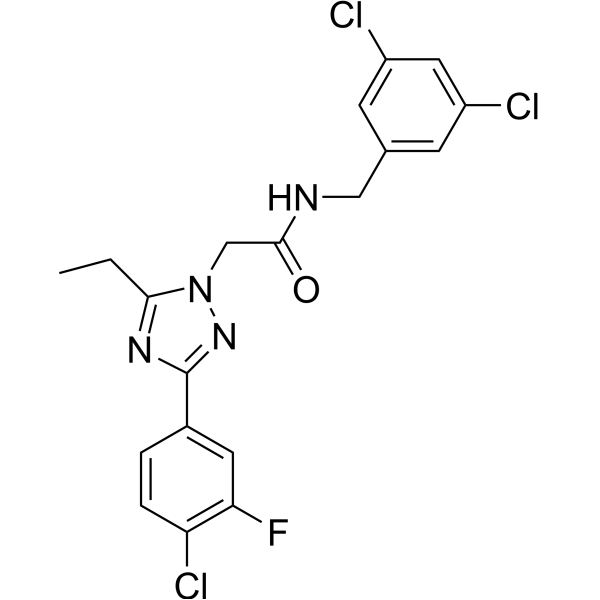
(S)-(+)-Rolipram
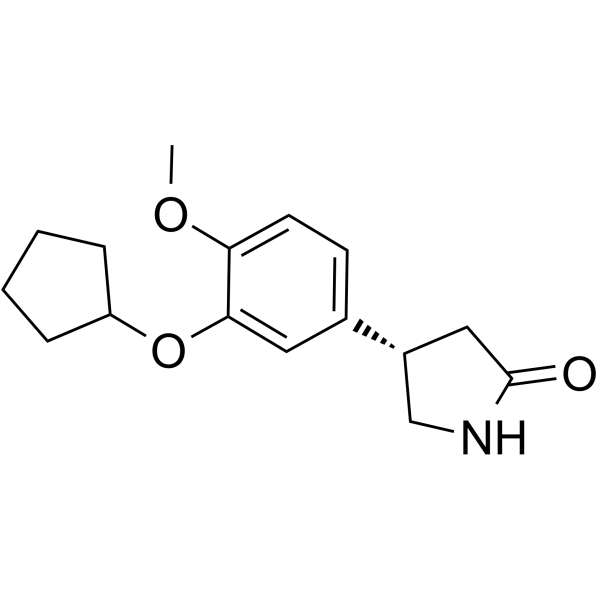 0 ImagesSynonyms: (+)-Rolipram; (S)-Rolipram(S)-(+)-Rolipram ((+)-Rolipram) is a cyclic AMP(cAMP)-specific phosphodiesterase 4 (PDE4) inhibitor, with an IC50 of 1100 nM. (S)-(+)-Rolipram can suppresse tumor necrosis factor-alpha (TNFα) production by human mononuclear cells.
-
Difamilast
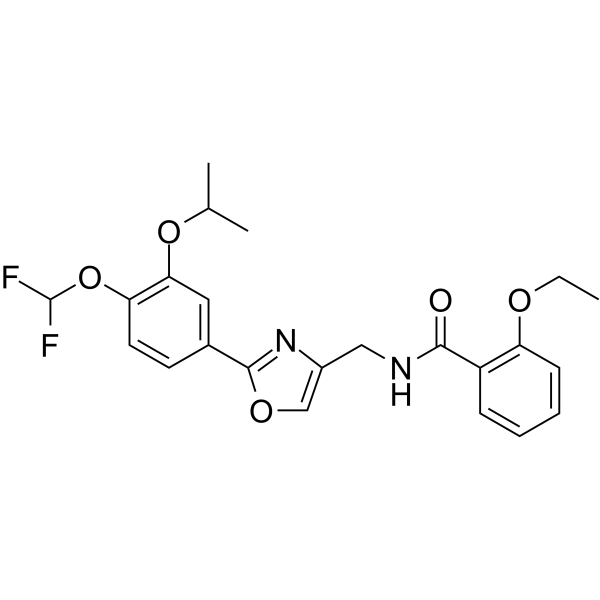 0 ImagesSynonyms: OPA-15406Difamilast (OPA-15406) is a topical, selective and nonsteroidal phosphodiesterase-4 (PDE4) inhibitor with particularly efficient inhibition of subtype B (IC50=11.2 nM). Difamilast can be used for the research of mild to moderate atopic dermatitis (AD).
-
Piclamilast
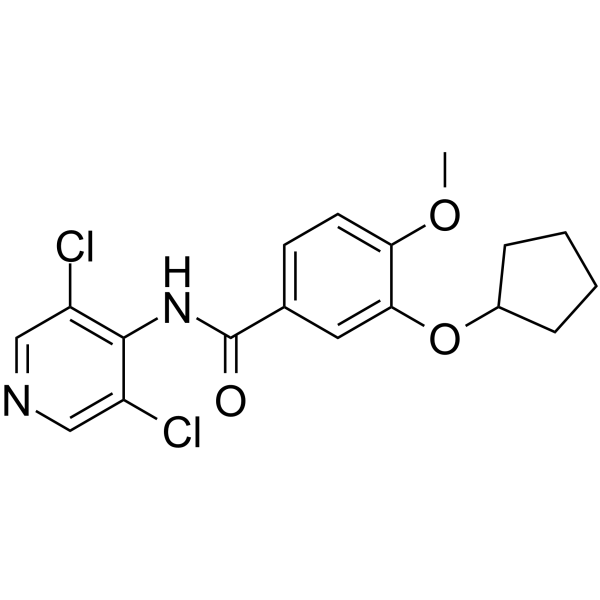 0 ImagesSynonyms: RP 73401; RPR 73401Piclamilast (RP 73401) is a phosphodiesterase 4 (PDE4) inhibitor, with IC50 values of 16 nM and 2 nM in pig aorta and eosinophil soluble, respectively.
-
PDE4B-IN-2
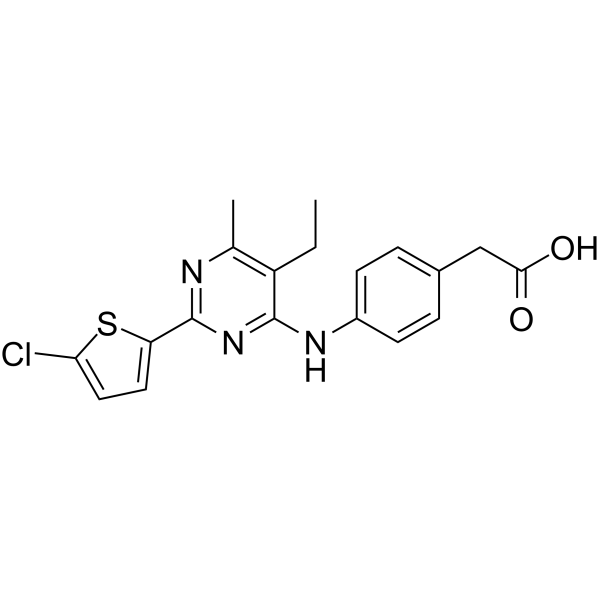 0 ImagesPDE4B-IN-2 is an orally active and selective PDE4B inhibitor with an IC50 of 15 nM. PDE4B-IN-2 inhibits PDE4D (IC50=1.7 μM). PDE4B-IN-2 exhibits potent anti-inflammatory effects.



